Learn Salesforce DevOps
Salesforce DevOps with AI Intelligence
- Join the Next Cohort of Salesforce DevOps

4.9 from 1500+ reviews
- Implement Salesforce DevOps from scratch
- Work with DevOps Center, Flosum, Gearset & Copado
- Design enterprise-grade CI/CD pipelines
- Handle conflicts, rollbacks & compliance
- Monitor Salesforce using Datadog
- Apply code quality & security best practices
- Become job-ready Salesforce DevOps professionals
Learning format
Online/Offline
Duration
3 months
Learning Pattern
Live Lectures
Recordings
Lifetime Access
Learn from the top 1% instructors and mentors from leading tech companies





Follow this path to become a
Rockstar Developer
Getting into the Course
Salesforce Administrator and Development
GradX Academy’s Salesforce Admin and Development Course covers everything you need to know to become a Salesforce professional, including Admin, Apex, Visualforce, and LWC. You’ll learn how to customize and configure Salesforce, develop custom applications, and build reports and dashboards. Plus, you’ll get our support to help you land your dream job in the Salesforce ecosystem.
Enroll today and start your journey to becoming a Salesforce expert!
What you’ll learn


Course Details
PHASE 1: Salesforce DevOps Foundations
Step 1: Introduction to Salesforce DevOps
- What is DevOps?
- Why DevOps is required in Salesforce
- Traditional Deployments vs DevOps
- Salesforce Development Lifecycle
- CI/CD Concepts (Beginner Friendly)
- Source-Driven Development
Outcome: Understand why DevOps is critical in Salesforce
PHASE 2: Git & Version Control (Core for All Tools)
Step 2: Git Fundamentals
- What is Version Control?
- Git Architecture (Local vs Remote)
- Git Installation & Setup
- Git Commands:
- clone
- add
- commit
- push
- pull
- clone
- .gitignore for Salesforce
Step 3: Git Branching Strategy
- Main / Master Branch
- Feature Branch
- Release Branch
- Hotfix Branch
- Merge vs Rebase
- Conflict Resolution
Outcome: Work confidently with Git repositories
PHASE 3: Salesforce DevOps Center
Step 4: Salesforce DevOps Center Overview
- What is DevOps Center?
- DevOps Center Architecture
- Supported Salesforce Orgs
- Limitations of DevOps Center
Step 5: DevOps Center Implementation
- Connecting Git Repository
- Setting up Environments (Dev, QA, UAT, Prod)
- Creating Work Items
- Deployments using DevOps Center
- Validation & Promotion
- Best Practices
Outcome: Use native Salesforce DevOps tool
PHASE 4: Flosum DevOps (Salesforce-Native DevOps)
Step 6: Introduction to Flosum
- What is Flosum?
- Flosum Architecture
- Flosum vs DevOps Center vs Copado
- Why enterprises use Flosum
- Salesforce-native advantage
Step 7: Flosum Repository & Version Control
- Flosum Repositories
- Salesforce Metadata Tracking
- Branching & Versioning in Flosum
- Commit & Promote Changes
- Conflict Detection & Resolution
Step 8: Flosum CI/CD Pipeline
- Environment Setup (Dev → QA → UAT → Prod)
- Promotion Paths
- Automated Validation
- Deployment Options
- Rollback & Recovery
- Flosum Release Management
Step 9: Flosum Backup & Compliance
- Flosum Backup Overview
- Metadata Backup
- Data Backup
- Restore Scenarios
- Audit Logs & Compliance
- Disaster Recovery Planning
Outcome: Master Salesforce-native DevOps with Flosum
Note: As Flosum learning or free environment is not there so everything in learning will be conceptual or based on the screenshots
PHASE 5: Gearset DevOps
Step 10: Gearset Overview
- Gearset Architecture
- Org-to-Org vs Git-Based Deployment
- Comparison Rules
Step 11: Gearset Deployment & Automation
- Delta Deployments
- Pre-Deployment Validation
- CI Jobs
- Automated Deployment Pipelines
- Rollback Strategies
Step 12: Gearset Backup & Restore
- Metadata Backup
- Data Backup
- Restore Scenarios
- Compliance & Auditing
PHASE 6: Copado DevOps
Step 13: Copado Fundamentals
- Copado Architecture
- User Stories & Tasks
- Promotion Paths
- Environments
Step 14: Copado CI/CD Pipelines
- Environment Setup (Dev → QA → UAT → Prod)
- Copado Pipelines
- Promotion Paths
- Automated Validation
- Test Level Management
- Conflict Resolution
- Deployment &
- Rollback & Recovery
- Copado Release Management
- Best Practices
PHASE 7: Code Quality, Security & Monitoring
Step 15: Code Quality & Scanning
- Importance of Code Quality
- Clayton Code Analysis Tool
- Static Code Analysis
- Apex Best Practices Enforcement
- Security Vulnerability Detection
Step 16: Monitoring & Observability
- Introduction to Datadog
- Salesforce Logs & Metrics
- Alerts & Dashboards
- Performance Monitoring
- Incident Detection
PHASE 8: Testing & Validation Strategy
Step 17: Salesforce Testing in DevOps
- Unit Testing Strategy
- Test Class Optimization
- Test Data Management
- Pre-Deployment Validation
- Post-Deployment Smoke Testin
PHASE 9: CI/CD with GitHub Actions (Optional Advanced)
Step 18: CI/CD Pipeline Implementation
- GitHub Actions Overview
- Salesforce CLI in Pipelines
- Automated Validation & Deployment
- Environment-based Deployment
- Real-world Pipeline Example
PHASE 10: End-to-End Real-World DevOps Project
Step 19: Salesforce DevOps Project
- Requirement Analysis
- Repository Strategy
- Tool Selection (DevOps Center / Flosum / Gearset / Copado)
- CI/CD Pipeline Design
- Deployment Execution
- Rollback & Recovery
- Monitoring & Documentation
Where can you get job ?



















Getting into the Course
Salesforce Administrator and Development
Enroll today and start your journey to becoming a Salesforce expert!
What you’ll learn
Course Details
PHASE 1: Salesforce DevOps Foundations
Step 1: Introduction to Salesforce DevOps
- What is DevOps?
- Why DevOps is required in Salesforce
- Traditional Deployments vs DevOps
- Salesforce Development Lifecycle
- CI/CD Concepts (Beginner Friendly)
- Source-Driven Development
Outcome: Understand why DevOps is critical in Salesforce
PHASE 2: Git & Version Control (Core for All Tools)
Step 2: Git Fundamentals
- What is Version Control?
- Git Architecture (Local vs Remote)
- Git Installation & Setup
- Git Commands:
- clone
- add
- commit
- push
- pull
- clone
- .gitignore for Salesforce
Step 3: Git Branching Strategy
- Main / Master Branch
- Feature Branch
- Release Branch
- Hotfix Branch
- Merge vs Rebase
- Conflict Resolution
Outcome: Work confidently with Git repositories
PHASE 3: Salesforce DevOps Center
Step 4: Salesforce DevOps Center Overview
- What is DevOps Center?
- DevOps Center Architecture
- Supported Salesforce Orgs
- Limitations of DevOps Center
Step 5: DevOps Center Implementation
- Connecting Git Repository
- Setting up Environments (Dev, QA, UAT, Prod)
- Creating Work Items
- Deployments using DevOps Center
- Validation & Promotion
- Best Practices
Outcome: Use native Salesforce DevOps tool
PHASE 4: Flosum DevOps (Salesforce-Native DevOps)
Step 6: Introduction to Flosum
- What is Flosum?
- Flosum Architecture
- Flosum vs DevOps Center vs Copado
- Why enterprises use Flosum
- Salesforce-native advantage
Step 7: Flosum Repository & Version Control
- Flosum Repositories
- Salesforce Metadata Tracking
- Branching & Versioning in Flosum
- Commit & Promote Changes
- Conflict Detection & Resolution
Step 8: Flosum CI/CD Pipeline
- Environment Setup (Dev → QA → UAT → Prod)
- Promotion Paths
- Automated Validation
- Deployment Options
- Rollback & Recovery
- Flosum Release Management
Step 9: Flosum Backup & Compliance
- Flosum Backup Overview
- Metadata Backup
- Data Backup
- Restore Scenarios
- Audit Logs & Compliance
- Disaster Recovery Planning
Outcome: Master Salesforce-native DevOps with Flosum
Note: As Flosum learning or free environment is not there so everything in learning will be conceptual or based on the screenshots
PHASE 5: Gearset DevOps
Step 10: Gearset Overview
- Gearset Architecture
- Org-to-Org vs Git-Based Deployment
- Comparison Rules
Step 11: Gearset Deployment & Automation
- Delta Deployments
- Pre-Deployment Validation
- CI Jobs
- Automated Deployment Pipelines
- Rollback Strategies
Step 12: Gearset Backup & Restore
- Metadata Backup
- Data Backup
- Restore Scenarios
- Compliance & Auditing
PHASE 6: Copado DevOps
Step 13: Copado Fundamentals
- Copado Architecture
- User Stories & Tasks
- Promotion Paths
- Environments
Step 14: Copado CI/CD Pipelines
- Environment Setup (Dev → QA → UAT → Prod)
- Copado Pipelines
- Promotion Paths
- Automated Validation
- Test Level Management
- Conflict Resolution
- Deployment &
- Rollback & Recovery
- Copado Release Management
- Best Practices
PHASE 7: Code Quality, Security & Monitoring
Step 15: Code Quality & Scanning
- Importance of Code Quality
- Clayton Code Analysis Tool
- Static Code Analysis
- Apex Best Practices Enforcement
- Security Vulnerability Detection
Step 16: Monitoring & Observability
- Introduction to Datadog
- Salesforce Logs & Metrics
- Alerts & Dashboards
- Performance Monitoring
- Incident Detection
PHASE 8: Testing & Validation Strategy
Step 17: Salesforce Testing in DevOps
- Unit Testing Strategy
- Test Class Optimization
- Test Data Management
- Pre-Deployment Validation
- Post-Deployment Smoke Testin
PHASE 9: CI/CD with GitHub Actions (Optional Advanced)
Step 18: CI/CD Pipeline Implementation
- GitHub Actions Overview
- Salesforce CLI in Pipelines
- Automated Validation & Deployment
- Environment-based Deployment
- Real-world Pipeline Example
PHASE 10: End-to-End Real-World DevOps Project
Step 19: Salesforce DevOps Project
- Requirement Analysis
- Repository Strategy
- Tool Selection (DevOps Center / Flosum / Gearset / Copado)
- CI/CD Pipeline Design
- Deployment Execution
- Rollback & Recovery
- Monitoring & Documentation
Course Details





Meet Your Coaches
100+ Hours Of 1 On 1 Live Coaching With Top Industry Experts Mentors
Shubham Shendre
7+ years Experience in SFDC
Shubham Shendre is the founder of GradX and a Salesforce expert with7+ years of experience. He has led impactful masterclasses on Salesforce and contributed to the Salesforce ecosystem through his expertise in Sales, Service, and Marketing Cloud.

Vaibhav Bode
7+ years Experience in SFMC
Vaibhav Bode has over seven years of experience in Salesforce Marketing Cloud, specializing in designing impactful marketing solutions. He is known for his expertise in SFMC and for driving success through personalized customer engagement strategies.

WHY GRADX?
EXPLORE JOB PLACEMENT PREPARATION PLAN
See How Mahendra got 22 LPA (300% Hike)with GradX Preparation Plan
See How Mahendra got 22 LPA (300%) Hike with GradX Preparation Plan
Explore how our single, intelligent platform puts AI to work across your business, freeing people for work that matters.
While we’re confident in the effectiveness of our training and the skills you’ll gain, we don’t offer guaranteed job placement. Our primary focus is to equip you with the knowledge, hands-on experience, and industry readiness through comprehensive curriculum, mock interviews, and career guidance. Ultimately, landing your dream job depends on various factors, including your individual efforts, market conditions, and interview performance. However, we’re committed to providing you with all the support and resources needed to ace your job search.
Absolutely! Mock interviews are an integral part of our training program. Regular mock interviews throughout the course simulate real-world scenarios, giving you invaluable practice and feedback on your communication, technical skills, and presentation. This prepares you to confidently face actual interviews and make a strong impression on hiring managers.
- Expert instructors: Our faculty consists of industry professionals with extensive experience who share their knowledge and insights in a practical and engaging manner.
- Dedicated mentors: Get personalized guidance and support from dedicated mentors who will answer your questions, track your progress, and offer tailored advice.
- Active community: Connect with fellow learners and instructors through online forums, discussions, and networking events. Share experiences, support each other, and build valuable connections.
- Career services: We guide you through the entire job search process, from resume writing and interview preparation to connecting you with industry opportunities.
We believe in lifelong learning, so once you enroll with GradX Academy, you get lifetime access to all the course materials, including videos, presentations, exercises, and practice tests. This allows you to revisit the content at any time, refresh your memory, and continue honing your skills even after completion.
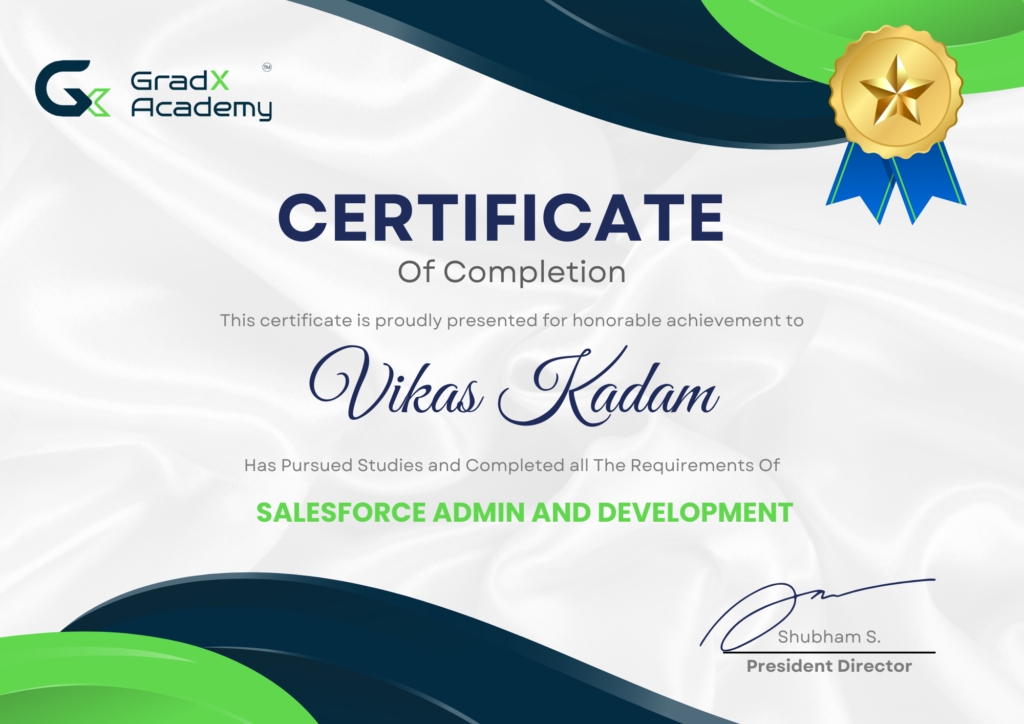

Industry Recognised Certification

Get Realtime Hands on Experience
Get started with GradX Academy
Contact us
Explore Demos
Free Counselling
Join GradX Course
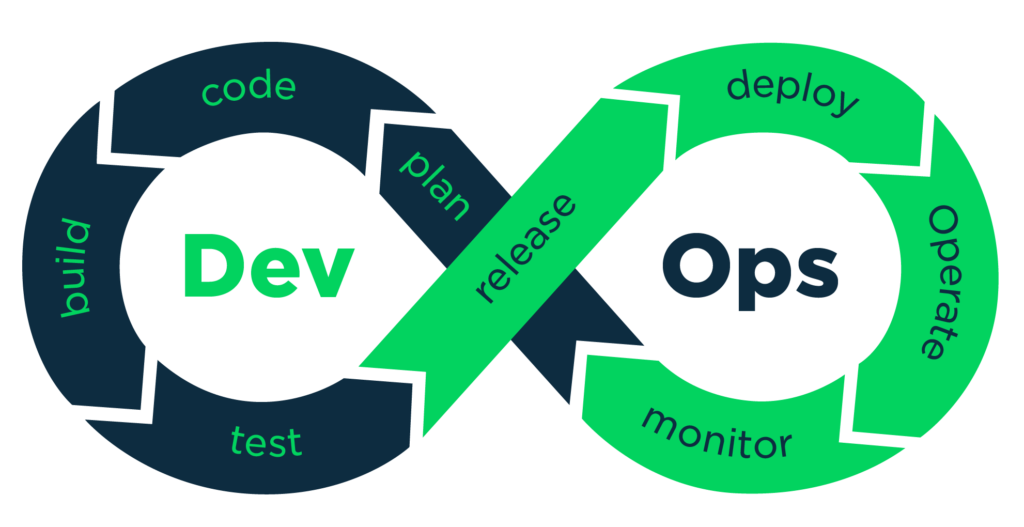
🎯 COURSE OUTCOMES
After completing this DevOps syllabus, learners will be able to:
- Implement Salesforce DevOps from scratch
- Work with DevOps Center, Flosum, Gearset & Copado
- Design enterprise-grade CI/CD pipelines
- Handle conflicts, rollbacks & compliance
- Monitor Salesforce using Datadog
- Apply code quality & security best practices
- Become job-ready Salesforce DevOps professionals
